film
21 feb 26
“Wuthering Heights” isn't a good book adaptation, but it doesn't need to be
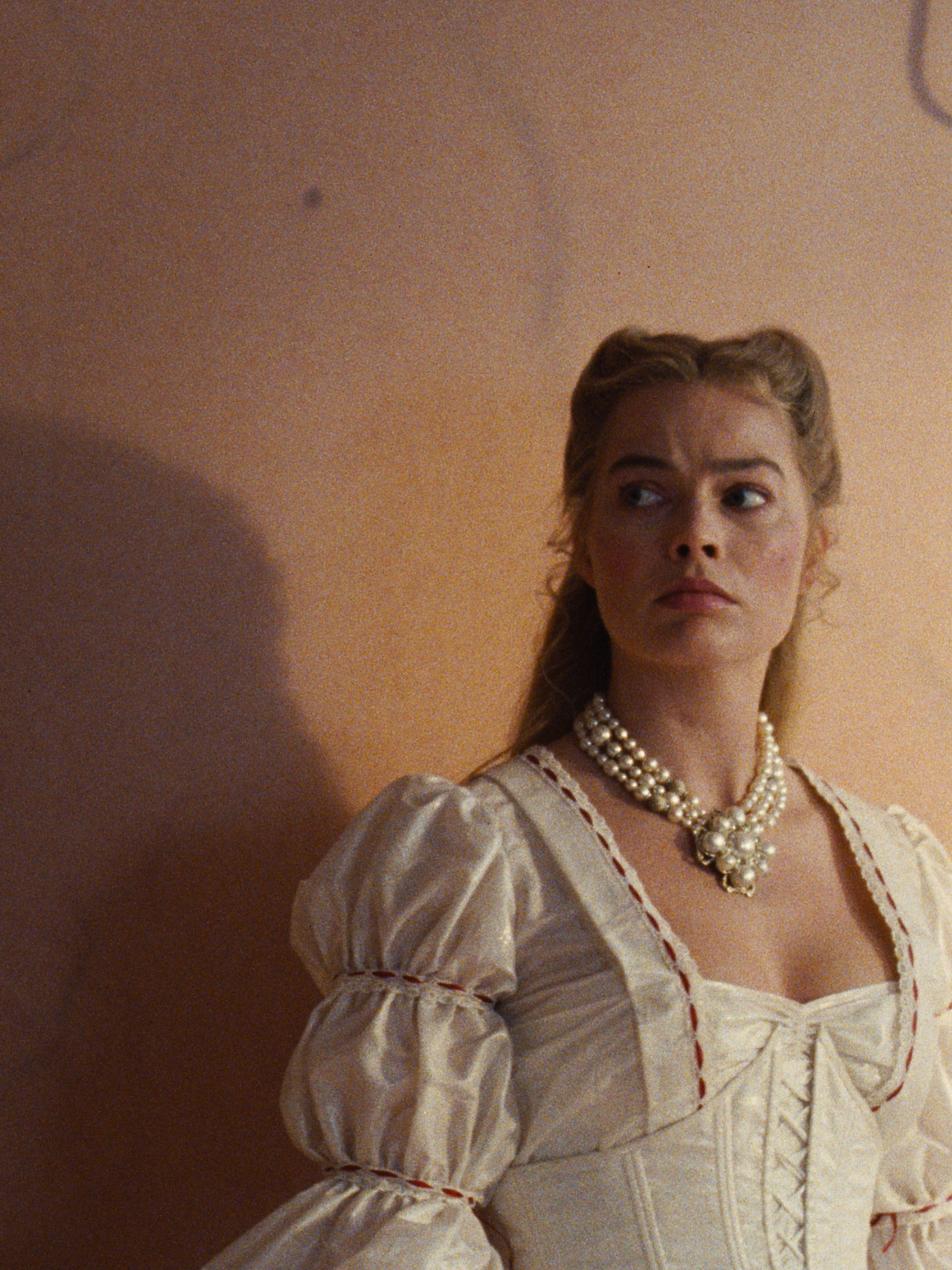
Photo by Courtesy of Warner Bros. - © Warner Bros
An audience familiar with Fennell's previous work, emphasising Saltburn particularly here, is likely to sit down for “Wuthering Heights” with a multitude of preconceptions and, for the most part, they're correct to make these assumptions. Despite their differing themes, a harmonious visual tone stays consistent between the films. Similar colour, pacing, and artistic voice can all be attributed to why two separate bodies of work feel so tonally familiar. Yet “Wuthering heights” faces an insurmountable task, doing a good job of adapting a much loved classic. Defining the parameters of the term 'good' is essential in this case, and by 'good' what I really mean to say is 'accurate'. Emerald Fennell's 2026 “Wuthering Heights” is not an accurate adaptation of Emily Brontë's 1847 novel but, when viewed as a standalone work independent of its source material, the 2026 film boasts some fantastic qualities.
Prefacing the film's pre-valentines main release, sneak peeks had raised some cause for concern. One such clip released on the 23rd of January sports Cathy and Heathcliff in conversation on the moor and, in lieu of a better way to put it, the acting was quite poor. Naturally, this left a poor taste in the mouth and raised serious question marks over casting choices, a topic which had already been heavily debated since its announcement. I think this was a huge factor in the pleasant surprise when the performances were incredible. Margot Robbie and Jacob Elordi fit effortlessly into the slightly eccentric retelling and brought their respective characters to life in a manner that complimented the climate of the narrative. It's also impossible to discuss performance without a nod to the wider cast who similarly performed remarkably, although the younger actors were particularly exceptional.
Visually, the choices are stunning. It resembles one of those 'if you get it, you get it' scenarios, a phrase I absolutely hate, but it does feel applicable here. The choice to mash up some elements of a period piece with large portions of unconventional historical inaccuracy and then put a vibrantly graded bow on it all requires a large helping of individual artistic exploration to digest. I think the beauty of it is that you might not necessarily understand, and that's perfectly fine. The choice to leave the soundtrack to Charli XCX was difficult to understand (hyperpop yearning seemed implausible?), but it worked!
While the argument against straying from the book might find its feet in cohesion and character motivation, there's something to be said for its contribution to pacing. It's apparently possible to make just over two hours of film feel like no more than one which would ordinarily raise the concern of plot points not lingering for long enough. However, the nature of the film and its content made for a very agreeable pace, certainly not one that felt too fast or, by contrast, boring. It's actually the deviation from the book that grips an audience who has read it, they're kept on the edge of their seat because they have deciphered that, even knowing the source material, they do not know exactly how the story is going to go.
It's this tension built by the element of surprise and unknowing that is the backbone behind the true genius of the film. Despite several controversial switch ups, "Wuthering Heights” presents a firm creative vision and solid direction. Although the film is very different from the book, the elements come together to produce a piece that's cohesive in style and form, yet harmoniously synthesises chaos and classic.